
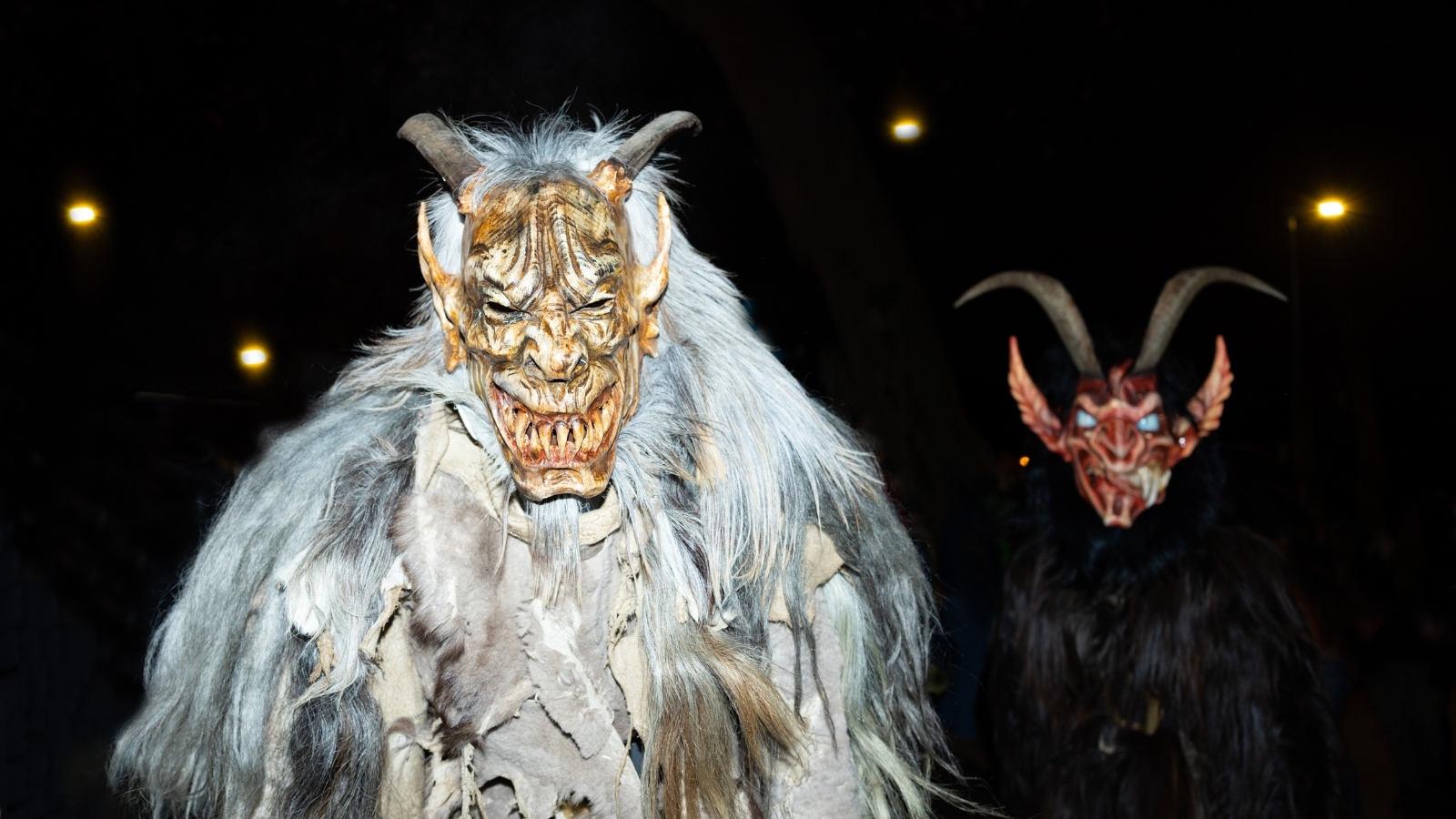
When nights grow longest and the air sharpens with frost, people everywhere turn to stories. It’s an instinct older than any religion or nation: to gather in the dark and speak of things unseen. Around the winter hearth, we remind each other that cold and silence are survivable—not by denying them, but by facing them together.
In northern Europe, the long midwinter nights once belonged to the Yule spirits: wandering dead, ancestral ghosts, and the terrifying Wild Hunt that swept across the sky. The stories were warnings and blessings at once—respect the dead, honor the forest, keep the hearth burning. In Victorian England, those pagan echoes found new life in the Christmas ghost story, immortalized by Charles Dickens’s A Christmas Carol. The ghosts of Christmas Past, Present, and Yet to Come are not merely frightening—they are compassionate messengers, forcing a man to see the suffering he caused and the empathy he has forgotten.
Across cultures, this season of darkness invites encounters with the invisible. In Brazil, tales of the Caipora—guardian of the woods—reappear in the long rural nights, reminding people that nature still watches when the human world slows. In Japan, the yūrei drift through New Year’s tales, bound by unfinished emotions. In each case, winter belongs to those who hover between worlds. The living tell their stories to make peace with the dead, and perhaps with themselves.
There is psychological sense in this old ritual. Winter brings stillness and introspection; it forces us to sit with memory. Modern psychology shows that storytelling during emotionally charged times allows people to process fear safely and reintegrate empathy. Horror and ghost stories achieve this by engaging the body’s fear response while assuring the mind of safety—a mechanism scholars call safe detachment. Inside that liminal zone, we feel both the thrill of danger and the comfort of belonging to a shared ritual.
That ritual has always been social. The winter ghost story is a collective act of meaning-making. When Victorians passed stories by candlelight or when rural Brazilians gathered to hear legends of spirits and saints, they were doing the same work that classrooms and book clubs can do today: translating fear into understanding. Every ghost story is, at heart, a moral reckoning disguised as entertainment. Dickens’s Scrooge learns compassion; the listener learns that warmth is a choice.
What survives from all these traditions is not the specific demon or apparition but the rhythm of light returning through words. Telling a ghost story in December is an act of defiance against despair. We conjure the dead to remember the living. We listen to warnings so that the coming year might be kinder.
Folklore teaches that the boundary between life and death, self and other, hope and fear, is porous. To sit around the fire and speak of ghosts is to acknowledge that permeability—to admit that empathy begins where certainty ends. In that sense, horror is not the opposite of joy; it is the shadow that allows joy to have depth.
So, when you light a candle this winter or open an old book by the tree, remember that you are joining a lineage stretching back to the first storytellers who kept the darkness at bay with voice alone. Ghosts, after all, are not there to frighten us away from life. They return to remind us that we still belong to it.
References consulted:
·Teaching Horror Literature in a Multicultural Classroom – safe detachment and empathy through storytelling.
·How to Create Monsters – Prof. Dr. Alexander Meireles da Silva.
· Dickens, A Christmas Carol (1843); Cohen, Monster Theory (1996) – monsters as moral and cultural mirrors.
In northern Europe, the long midwinter nights once belonged to the Yule spirits: wandering dead, ancestral ghosts, and the terrifying Wild Hunt that swept across the sky. The stories were warnings and blessings at once—respect the dead, honor the forest, keep the hearth burning. In Victorian England, those pagan echoes found new life in the Christmas ghost story, immortalized by Charles Dickens’s A Christmas Carol. The ghosts of Christmas Past, Present, and Yet to Come are not merely frightening—they are compassionate messengers, forcing a man to see the suffering he caused and the empathy he has forgotten.
Across cultures, this season of darkness invites encounters with the invisible. In Brazil, tales of the Caipora—guardian of the woods—reappear in the long rural nights, reminding people that nature still watches when the human world slows. In Japan, the yūrei drift through New Year’s tales, bound by unfinished emotions. In each case, winter belongs to those who hover between worlds. The living tell their stories to make peace with the dead, and perhaps with themselves.
There is psychological sense in this old ritual. Winter brings stillness and introspection; it forces us to sit with memory. Modern psychology shows that storytelling during emotionally charged times allows people to process fear safely and reintegrate empathy. Horror and ghost stories achieve this by engaging the body’s fear response while assuring the mind of safety—a mechanism scholars call safe detachment. Inside that liminal zone, we feel both the thrill of danger and the comfort of belonging to a shared ritual.
That ritual has always been social. The winter ghost story is a collective act of meaning-making. When Victorians passed stories by candlelight or when rural Brazilians gathered to hear legends of spirits and saints, they were doing the same work that classrooms and book clubs can do today: translating fear into understanding. Every ghost story is, at heart, a moral reckoning disguised as entertainment. Dickens’s Scrooge learns compassion; the listener learns that warmth is a choice.
What survives from all these traditions is not the specific demon or apparition but the rhythm of light returning through words. Telling a ghost story in December is an act of defiance against despair. We conjure the dead to remember the living. We listen to warnings so that the coming year might be kinder.
Folklore teaches that the boundary between life and death, self and other, hope and fear, is porous. To sit around the fire and speak of ghosts is to acknowledge that permeability—to admit that empathy begins where certainty ends. In that sense, horror is not the opposite of joy; it is the shadow that allows joy to have depth.
So, when you light a candle this winter or open an old book by the tree, remember that you are joining a lineage stretching back to the first storytellers who kept the darkness at bay with voice alone. Ghosts, after all, are not there to frighten us away from life. They return to remind us that we still belong to it.
References consulted:
·Teaching Horror Literature in a Multicultural Classroom – safe detachment and empathy through storytelling.
·How to Create Monsters – Prof. Dr. Alexander Meireles da Silva.
· Dickens, A Christmas Carol (1843); Cohen, Monster Theory (1996) – monsters as moral and cultural mirrors.